
The Artist’s Final Volume
Winter in SokchoThis flow follows Yan Kerrand’s effort to complete the last book in his comic series, from hesitant research to a final image left behind.
increasing Bearing strength in each event
 decreasing
Bearing strength in each eventdecreasingA Search for Materials
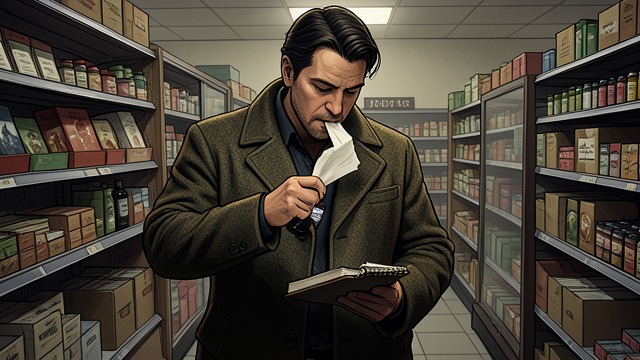
A Search for Materials
Paper and ink
Yan Kerrand asks the narrator to help him find paper and ink in winter-closed Sokcho. At a supermarket he tests paper by touch and taste, then persuades an assistant to let him try Korean ink.
The episode reveals a tactile, particular approach to drawing rather than a simple shopping errand.
Work without a destination
He has not decided whether his story will be set in Sokcho. The narrator sees that the materials are ready before the story is, an early sign of his creative uncertainty.
The Hero in Monochrome
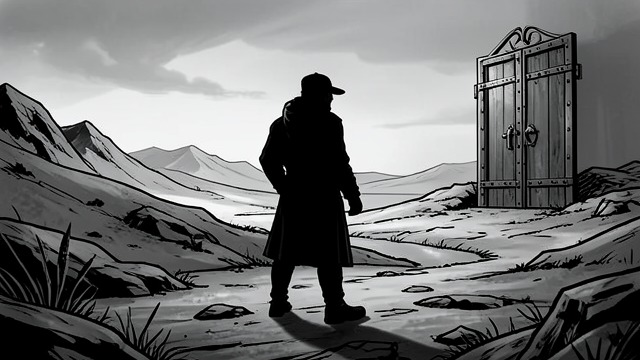
The Hero in Monochrome
A solitary figure
The narrator discovers that Yan Kerrand is an established comic artist whose final volume is still to come. His series follows a lone archaeologist through places rendered in monochrome ink.
The hero resembles the artist and often dominates or disappears into the landscapes around him.
A burdened ending
Learning about the series changes the narrator’s view of her guest: his quietness belongs partly to a practiced artistic world. The final volume carries the pressure of ending a journey he has repeatedly extended.
A Story Without Control
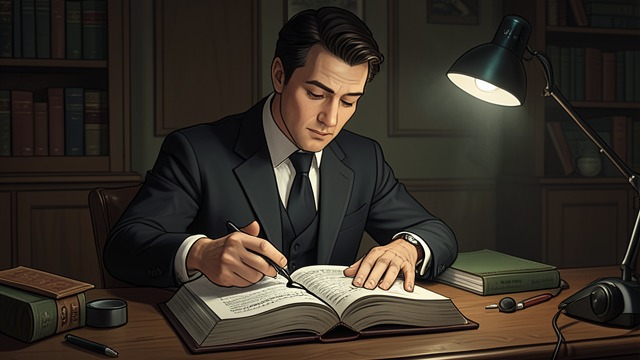
A Story Without Control
The approaching ending
Yan Kerrand admits that he fears losing control of the fictional world once the final volume is finished. His stories, he explains, begin to tell themselves even as he tries to shape them.
He keeps working because he cannot fully convey what he means, not because he has mastered the process.
An unfinished necessity
The narrator suggests that the gap between intention and result may be what keeps him drawing. Her answer briefly recasts his block as a source of continuation rather than failure.
The Perfect Woman
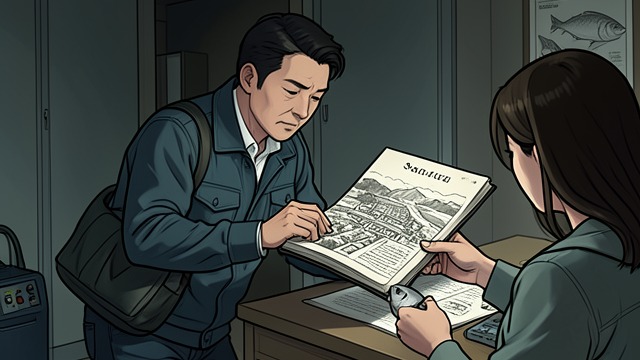
The Perfect Woman
Ink and hesitation
Yan Kerrand shows the narrator pages for the new volume, including recognizable places from Sokcho. He explains that once a line is drawn in ink, it is fixed, and that he wants the woman in his story to be perfect.
The narrator hears in his artistic standard an unsettling condition for women to enter his hero’s world.
A withheld image
He tears away a page and returns to work without resolving the figure. The exchange deepens the narrator’s sense that his craft both creates life and prevents it from becoming complete.
The Sketchbook’s Last Image
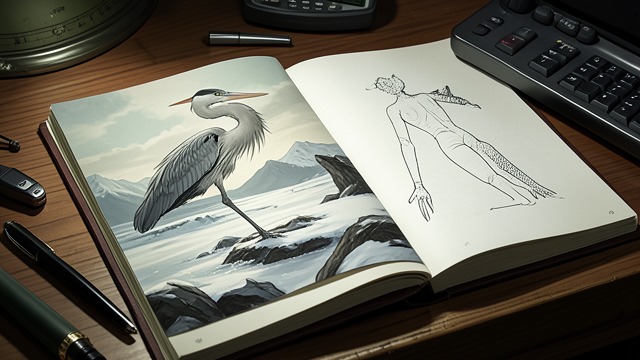
The Sketchbook’s Last Image
A different palette
In the sketchbook Yan Kerrand leaves behind, the narrator finds a heron beside his hero on a winter shore. Later pages introduce traces of yellow and blue, unlike the earlier monochrome work she has seen.
The images dissolve toward open sea and sky, loosening the frames that once contained them.
A transferred mark
The final pages suggest a woman’s body, then reduce it to a fine scar rendered like a line on a fish. The artist’s ending remains ambiguous, but his work carries an image from the narrator’s life into its last marks.
The first days after his arrival
After the narrator searches for his published work
During their conversation in the café
On Seollal in Yan Kerrand’s room
Near the ending, after his departure
